



7.3 Powerstroke Repair for Square Noses and Early Super Duties
7.3 Powerstroke repair starts with the engine oil, because on this engine high-pressure oil is what the injectors use to build injection pressure. Most 7.3 trouble is that oil system, a few sensors, old wiring or leaky plumbing. We test all of it, then quote the complete repair, not a pile of parts.
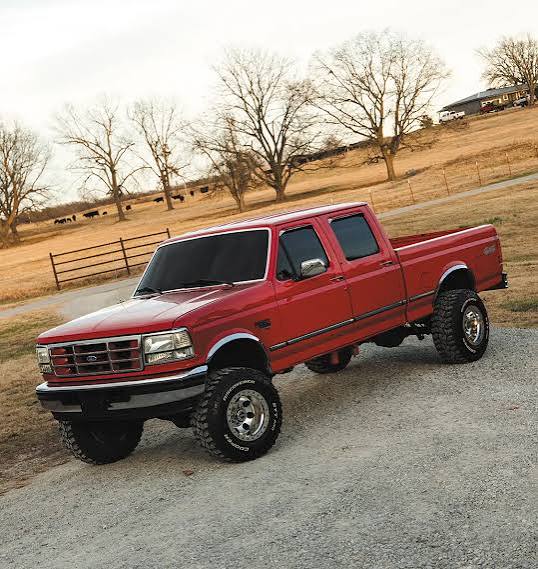
In pickups, the 7.3 lived under two different hoods
In pickups, Ford put the 7.3 Power Stroke in the old-body-style trucks from mid-1994 through 1997 (we call those square noses), then in the first Super Duty trucks from 1999 to 2003. It also powered E-Series vans and the Excursion. Both use HEUI injection, neither has EGR or a DPF, and a well-kept one is worth fixing.
The plumbing around the engine differs, so we confirm which truck you have before quoting. The 6.0 Powerstroke that followed kept HEUI and added more to go wrong.
| Item | Square nose, 1994.5 to 1997 | Super Duty, 1999 to 2003 |
|---|---|---|
| Injection | HEUI, fired by oil pressure | HEUI, fired by oil pressure |
| Intercooler | None from the factory | Air-to-air intercooler |
| EGR or DPF | No | No |
| Wiring to watch | Old connectors and heat-worn wiring | Harness through valve cover gaskets |
Oil pressure drives the injectors, so oil problems feel like fuel problems
On a 7.3, a gear-driven high-pressure oil pump (HPOP) pushes engine oil into rails in the heads. The IPR valve sets that pressure, the ICP sensor reports it, and the IDM sends the electrical pulse that opens each injector. Inside the injector, oil pressure drives a piston that squeezes the fuel to injection pressure.
So a 7.3 can crank all day on good fuel and never fire: no injection pressure or no IDM signal means nothing sprays. Our injection pump repair page compares HEUI with pump-driven systems.
The usual suspects, one at a time
Pick one to see how it fails and what we test.
HPOP, IPR valve and ICP sensor
A leak on the high-pressure oil side bleeds off the pressure the injectors need, so the truck starts hard, worst when the oil is hot and thin. A sticking IPR valve or a lying ICP sensor feels the same, so we read the numbers before pulling parts.
- Commanded versus actual pressure while cranking
- IPR duty cycle and wiring
- ICP sensor and connector for oil intrusion
Cam position sensor
No cam sensor signal, no fire. The truck dies or will not start, and the tach sits at zero while cranking. It is a cheap part and an easy guess, so we confirm the signal and wiring instead of swapping it blind.
- RPM signal on the scan tool while cranking
- Sensor connector and harness
Injectors and the IDM
Worn HEUI injectors cause a miss, smoke and rough idle, and a bad injector driver module makes good injectors look bad. On Super Duty trucks, a poor connection where the harness passes through the valve cover gasket often kills a cylinder. More on diesel injector repair.
- Injector buzz test and contribution test
- IDM power, ground and codes
- Valve cover harness connectors
Up-pipes and exhaust leaks
The up-pipes carry exhaust from the manifolds to the turbo, and the factory joints leak with age: a cold-start tick, soot at the joints and lazy boost. If the turbo itself is tired, see diesel turbo repair.
- Soot trails at joints and gaskets
- Boost under load on a road test
Fuel filter housing and heater
The fuel filter housing sits on top of the engine with a drain valve and fuel heater built in. Old seals leak diesel into the valley, and a shorted heater can blow fuses. See diesel fuel system repair.
- Fuel pressure at idle and under load
- Housing seals and drain valve
- Heater circuit and fuses
Glow plugs and their control
Dead plugs make a cold 7.3 rough and smoky until warm, and a failed glow plug relay, or the control module on later Super Duty trucks, makes cold starts a chore. Thick cold oil slows injection pressure, so weak batteries show up fast.
- Resistance on each glow plug
- Relay or control module operation and wiring
What a sick 7.3 does, and where we look first
Tell us which one sounds like your truck.
| What the truck does | Common 7.3 cause | What we check first |
|---|---|---|
| Cranks but will not start, tach needle sits still | Cam position sensor | RPM signal while cranking, cam and crank correlation, and voltage at the sensor |
| Cranks but will not start, worse when hot | Low injection pressure from an oil leak or weak HPOP | HPOP output, ICP pressure and IPR duty, LPOP pressure and volume, then a leak test of the standpipes, dummy plugs and injector seals |
| Stalls or surges, oil in a sensor plug | ICP sensor leaking into its connector | Sensor, plug and harness |
| Miss or rough idle that comes and goes | Injector, IDM fault or a valve cover harness connection | IDM voltage, the cam position sensor and wiring, then cylinder contribution and injector buzz tests |
| A tick on a cold start, soot and slow boost | Leaking exhaust manifolds or manifold gaskets | Up-pipe joints, manifolds and boost under load |
| Diesel smell, wet valley or blown fuses | Fuel filter housing seals or a shorted fuel heater | Housing, drain valve and heater circuit |
Two choices, and the customer gets to pick
From Google, word for word.
319 reviews
- Customer
- Kenbob
MEL is a Great communicator. They squeezed me in line as we were traveling through to Utah. They analyzed the situation & gave me two choices ! Wow! They gave ME the choice ! They acted on the quickest answer from me & they had me rolling before closing ! FYI: Nothing is cheap in diesel repairs ! Very happy to get rolling & still be rolling ! TY TY THANK YOU !5 STARS
Test, explain, then fix
Every 7.3 job runs through our diesel diagnostics process first.
Hear the story
When it acts up and what has been replaced already.
Read the data
Scan tool data and codes, then hands-on tests.
Call you
What needs attention now, what can wait, and where doing two jobs together saves labor.
Repair and drive
After your approval we make the repair and confirm the fix.
Towing up I-70 finds every exhaust leak and weak fuel seal on an old 7.3, and cold mornings find every tired glow plug. Tell us when it happens so we test for those conditions.
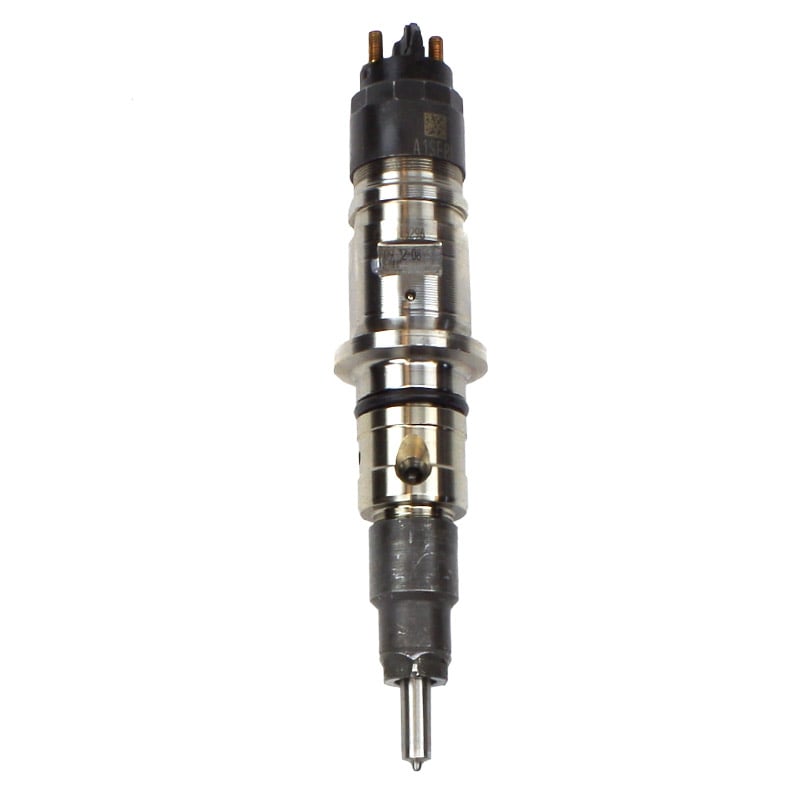
How to keep an old 7.3 on the road
Condition matters more than mileage now. Shopping for one? Get a diesel pre-purchase inspection before you pay.
- Change the oil on time, because the oil runs the injectors
- Fix leaks before they soak wiring
- Service the fuel filter and watch the drain valve
- Test glow plugs and batteries before winter
| Factor | Why it matters |
|---|---|
| Which truck | Square nose and Super Duty access differs |
| What has to come off | Some 7.3 parts sit under the turbo or intake |
| Age of the hardware | Twenty-plus years of heat leaves brittle plugs and stubborn bolts |
| Parts choice | New or remanufactured injectors and sensors |
What moves the price of a 7.3 repair
No prices online: the same complaint can mean very different work.
Diagnosis typically takes 24 to 72 hours depending on workload, and no work is done without your approval. Read more on our what to expect page.
Tell us what your 7.3 Powerstroke is doing
Send the year, the engine and what you are seeing, and we'll get back to you as quickly as we can.
- Year, make and engine
- What it is doing, and when it started
- Any codes or recent repairs
Rather talk it through? Call (303) 808-1563
What 7.3 owners ask us
The calls we get most.
The two most common reasons are a lost cam position sensor signal and low injection control pressure. Watch the tach while cranking: if the needle does not move, the cam sensor circuit is the first suspect. If it moves, the high-pressure oil side gets tested next.
Usually, if the frame and body are solid. Most failures are sensors, seals, wiring and injectors, not the bottom end. Fixing those as part of a 7.3 Powerstroke repair usually costs less than replacing a truck that still does the job.
No. We can't recommend driving a truck with a problem we haven't seen. Fuel on a hot engine is a fire risk, and it soaks nearby wiring. Have it towed in.
Partly because it is a 7.3, and they just don't like the cold. Cold, thick oil slows injection pressure and the glow plugs work harder. Weak glow plugs, a bad relay or control module, or tired batteries make it worse.
Probably longer than you would like. Most diagnosis and 7.3 Powerstroke repair work is drop-off. We call once we know what it needs; after you approve, timing depends on parts.
Is your 7.3 acting up? Tell us what it is doing
Call with the year, whether it is a square nose or a Super Duty, and how it acts hot and cold, or use Request Service to send the details. Or drop us a line right here from the website and we'll get back to you as quickly as we can.